

The landscape of fleet management in the UK is being transformed by advanced data insights. By integrating telematics, businesses are optimising operations and enhancing efficiency. This article explores how data is redefining fleet management strategies.
In the competitive business environment of today, effective fleet management is crucial for maintaining streamlined operations. Fleet managers in the UK face numerous challenges, including rising costs and regulatory compliance. Integrating advanced data insights offers solutions to these challenges and more. Vehicle tracking systems provide essential data that can be leveraged to improve operational efficiency and reduce costs.
Telematics and Its Impact on Fleet Management
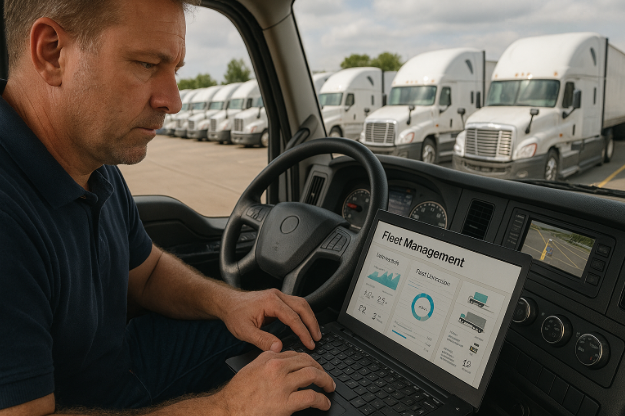
Telematics technology collects data from vehicles in real-time, enabling managers to make informed decisions. It plays a vital role in fleet management by providing detailed insights into vehicle performance, driver behaviour, and overall fleet health. By harnessing this data, companies can optimise routes, monitor fuel consumption, and enhance safety measures.
Data insights from telematics systems are transforming operations by predicting potential issues before they arise. This predictive capability allows for proactive maintenance scheduling, reducing unexpected downtime. Fleet managers can anticipate delays and adjust routes accordingly, ensuring timely deliveries and improving customer satisfaction. Analysing trends and patterns provides a competitive edge in an industry where efficiency is paramount.
AI and Predictive Maintenance in Fleet Management

Next-generation fleet tracking platforms are leveraging AI and historical data to predict and mitigate issues such as route bottlenecks, vehicle downtime, and driver fatigue before they impact deliveries. By analysing historical data, AI systems can forecast when a vehicle is likely to require maintenance, allowing for timely interventions that prevent breakdowns and extend vehicle lifespans.
Predictive maintenance is effective in reducing unscheduled repairs. This proactive approach not only decreases downtime but also enhances customer satisfaction by ensuring more reliable delivery schedules.
Machine Learning’s Role in Reducing Downtime
Machine learning in telematics is revolutionising fleet management by continuously learning from vast amounts of data to improve decision-making processes. These systems can identify patterns and anomalies that may indicate potential issues, enabling fleet managers to address them before they escalate. This capability significantly reduces vehicle downtime and maintenance costs.
The integration of machine learning with telematics allows for real-time adjustments to routes and schedules, further enhancing operational efficiency. By predicting traffic conditions and optimising routes, fleets can avoid delays and maintain high levels of service quality. This not only improves customer satisfaction but also boosts the overall productivity of fleet operations.
Innovations Shaping the Future of Fleet Management
The future of fleet management is set to be shaped by innovations that integrate AI with telematics technology. Artificial intelligence enhances predictive capabilities by analysing vast datasets to forecast potential bottlenecks or vehicle issues before they occur. This proactive approach minimises disruptions and ensures seamless operations.
As AI continues to evolve, its integration with telematics will likely lead to even more sophisticated fleet management solutions. These advancements promise greater automation, allowing managers to focus on strategic decision-making rather than routine monitoring tasks. For businesses aiming to stay competitive, adopting these cutting-edge technologies will be crucial in maintaining an edge in the ever-evolving market landscape.
